Enhancing Material Transit for Efficiency
Discover the Advantages of Bulk Trucking Services for Efficient Freight Transportation.
Bulk haulage solutions have emerged as a pivotal solution for companies seeking to improve cargo movement. With significant cost savings and improved efficiency, these services present various upsides - Illinois top rated Bulk Trucking. Companies can benefit from enhanced delivery speed, improved volume utilization, and a dedication to eco-friendliness. As industries evolve, understanding these benefits becomes essential for those seeking a competitive edge. What specific advantages can firms leverage to enhance their supply chain planning?
Cost Savings Via Volume Transport
Shipping in large quantities can lead to significant cost savings for businesses, often lowering expenditure by up to thirty percent compared to conventional transport approaches. This reduction is due to various elements, including the principle of scale economics. When companies transport goods in greater volumes, they gain from lower per-unit shipping costs. In addition, volume transport usually requires a reduced number of transports, which reduces the amount of fuel burned and total shipping costs.
Moreover, shipping in bulk helps businesses to obtain more favorable terms with carriers due to the volume of goods being shipped. This influence can lead to improved transactional terms and sustained financial benefits. The decreased operational charges associated with bulk shipments also contribute to financial efficiency, as fewer transfers mean lower labor costs and less potential for breakage.
In conclusion, embracing bulk shipping not only improves corporate profitability but also promotes sustainable practices by improving efficiency and reducing the carbon footprint associated with freight transportation.
Enhanced Delivery Speed and Efficiency
Faster shipping and better effectiveness are critical components of bulk freight transport. By adopting efficient handling methods, companies can notably reduce transit times, ensuring that freight reaches its destination more quickly. This improvement not only improves buyer contentment but also streamlines organizational output.
Reduced Transit Times
In the fast-paced world of freight transportation, expedited shipping schedules are crucial for satisfying client needs and securing a competitive edge. Bulk trucking services optimize routes and streamline operations, allowing for faster shipments. Through the use of greater volumes, these services minimize the number of trips required, consequently speeding up the complete transit operation. Such effectiveness doesn't just improve client happiness but it also cultivates faithfulness, since customers value punctual shipments. Furthermore, shorter shipping durations often result in decreased running expenses, due to the ability of firms to better utilize their resources. In a competitive environment where quickness matters, bulk trucking services emerge as an important solution, enabling firms to react quickly to changing market needs while keeping a resilient distribution channel.
Efficient Cargo Handling Methods
Efficient loading processes play a significant role in improving delivery speed and overall efficiency in freight transportation. Through the use of modern technology and refined techniques, heavy haulage companies can reduce the duration at loading bays. Mechanized equipment and well-planned loading zones facilitate quicker access and unloading, allowing for faster turnaround times. Moreover, utilizing experienced workers knowledgeable in best methods makes certain that shipments are handled safely and reliably, reducing the likelihood of damage. This streamlined approach not only enhances operational efficiency it also facilitates punctual shipments, fulfilling client requirements. Ultimately, the effectiveness of loading processes directly correlates with the overall performance of bulk trucking services, establishing it as an essential part of successful cargo movement.
Improved Load Capacity and Utilization
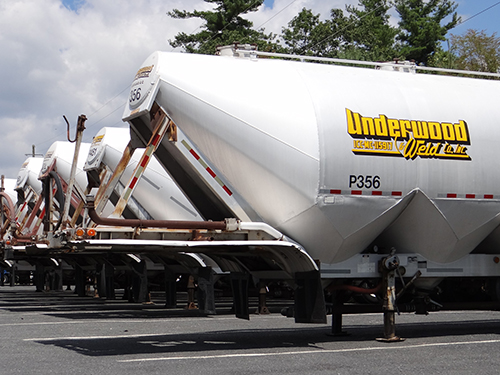
Increasing carrying volume is a key feature of heavy transport operations which profoundly impacts overall shipping efficiency. Mass haulage uses specialized equipment intended for moving large amounts of cargo, thereby significantly increasing carrying volume versus standard transport techniques. This enhanced payload permits businesses to ship more cargo in fewer hauls, reducing overall transportation costs while reducing the impact on the environment by lowering fuel burn.
In addition, enhanced cargo usage ensures that the space available in the vehicle is optimally deployed, achieving maximum payload compactness. By adopting advanced loading techniques and strategic planning, bulk trucking services can achieve higher payloads, thereby optimizing processes and speeding up transit periods. The power to move substantial volumes not only addresses customer requirements more fully but also increases the overall productivity of logistics operations. Consequently, improved loading capacity and usage are key in maximizing the efficiency of goods transit in the bulk hauling industry.
Greater Consistency and Trustworthiness

In bulk trucking services, increased reliability and consistency are paramount for successful goods transit. Timely deliveries and predictable shipping schedules reduce interruptions, letting firms plan their operations productively. Furthermore, enhanced load management makes certain resources are used efficiently, further strengthening the trustworthiness of these services.
Punctual Shipping Always
Even though several factors might influence shipping times, trustworthy bulk hauling companies guarantee timely deliveries that satisfy client requirements. These services employ a combination of modern logistics, trained personnel, and reliable fleets to confirm that freight reaches its destination on time. Steady correspondence between logistics staff and clients further enhances reliability, allowing for real-time updates and quick handling of possible problems. By prioritizing punctuality, bulk trucking companies build trust with their clients, fostering long-term partnerships. This trustworthiness does more than just reduce setbacks but also assists customers in optimizing their processes, lowering expenses related to stock storage and manufacturing halts. In the end, punctual shipments are a foundation of effective bulk trucking, solidifying its role in productive cargo movement.
Consistent Transit Timetables
Dependable bulk transport providers not only guarantee timely deliveries but also set up consistent transit timetelines that enhance overall logistics operations. Through offering uniform loading and unloading hours, businesses can better access resource plan their supply chains and regulate storage amounts. This reliability permits businesses to synchronize output plans and make the best use of assets, lowering the potential for holdups or issues. Moreover, consistent transit builds better partnerships between transport providers and customers, establishing a cooperative setting. This degree of dependability helps companies reliably inform clients of delivery schedules, thus boosting client happiness. In summary, predictable shipping schedules are vital for maintaining efficiency in freight transportation, guaranteeing that workflow is efficient and trouble-free.
Better Load Handling
Enhanced load management plays an essential role in increasing the reliability and consistency of bulk trucking services. By effectively organizing and optimizing the loading process, organizations confirm that shipments are received promptly and completely. This systematic approach reduces the possibility of overloading or underloading vehicles, contributing to greater energy conservation and minimized expenditures. State-of-the-art systems, like real-time load monitoring, greatly improve clarity, enabling interested parties to track deliveries instantly. Moreover, improved load management supports more efficient path selection, guaranteeing that drivers can adhere to schedules avoiding superfluous postponements. As a result, businesses benefit from dependable transit times, fostering trust and satisfaction among clients, ultimately strengthening competitive advantage in the freight transportation industry.
The Positive Environmental Impact of Bulk Shipping
As industries seek sustainable solutions, bulk transportation proves to be a very effective way to move cargo that drastically decreases environmental consequences. By grouping substantial amounts of cargo into fewer shipments, bulk trucking minimizes the number of trips required, causing less energy expenditure and lower carbon emissions. This efficiency translates to a smaller carbon footprint compared to traditional freight methods.
Moreover, bulk transportation commonly uses custom-designed carriers designed for optimized aerodynamics and weight distribution, which further improves fuel economy. The reduction in packaging materials is key to lowering material waste, as bulk shipments require less individual packaging versus traditional, smaller deliveries.
Moreover, many bulk trucking companies are progressively implementing green technologies, including cleaner power sources and battery-powered transport, to minimize their effect on the environment. In conclusion, bulk transportation offers a practical method for sectors looking to boost their green credentials and guaranteeing streamlined shipping operations.
Customizable Services for Different Shipping Demands
While traditional freight methods often struggle to accommodate varying shipment sizes and requirements, bulk trucking services offer adaptable solutions that address a broad spectrum of shipping requirements. These services can skillfully ship massive amounts of cargo, including liquids, powders, or other bulk items, helping companies improve their distribution channels.
Bulk trucking is particularly advantageous for companies that experience variable product needs, as it allows for quick adjustments in shipment size and frequency. This flexibility both minimizes expenditures related to idle carrying potential but also ensures prompt arrival, boosting customer contentment.
Furthermore, bulk trucking services are equipped with specialized vehicles, guaranteeing that diverse freight types are handled safely and efficiently. By leveraging these versatile solutions, businesses can streamline their operations and respond effectively to market changes, ultimately leading to improved logistical efficiency and a competitive edge in the industry.
Frequently Asked Questions
What Types of Goods Are Suitable for Bulk Trucking Services?
Various goods are suitable for bulk trucking services, including agricultural products, chemicals, construction materials, and food items. These services effectively transport large quantities, ensuring efficient handling and delivery of diverse materials across various industries.
How Do I Choose a Reliable Bulk Trucking Provider?
To choose a reliable bulk trucking provider, one should evaluate their reputation, check for appropriate certifications, assess customer reviews, compare pricing structures, and guarantee they have the necessary equipment to handle specific freight needs efficiently. Illinois top rated Bulk Trucking.
Illinois top rated Bulk Trucking.
Are There Minimum Load Requirements for Bulk Trucking?
Yes, bulk trucking often has minimum load requirements, which can vary by provider and type of freight. Typically, these minimums guarantee cost-efficiency, enabling carriers to optimize routes and maximize their capacity for transporting goods.
What Safety Measures Are in Place for Bulk Freight?
Safety measures for bulk freight include secure loading practices, regular vehicle inspections, adherence to weight limits, driver training programs, and compliance with regulations. These protocols guarantee cargo safety and minimize risks during transportation.
Can Bulk Trucking Handle Perishable Goods Effectively?
Yes, bulk trucking can handle perishable goods effectively through temperature-controlled vehicles, specialized packaging, and timely delivery schedules, ensuring that products remain fresh and safe during transportation while minimizing spoilage and maximizing efficiency.