Integrating Dry Bulk Service Quality
Discover the Benefits of Bulk Trucking Services for Efficient Freight Transportation.
Bulk haulage solutions are recognized as a pivotal solution for businesses aiming to improve cargo movement. With major financial advantages and improved efficiency, these services offer a range of advantages - Illinois top rated Bulk Trucking. Businesses gain access to quicker delivery, better load capacity, and a dedication to eco-friendliness. As the sector develops, recognizing these merits becomes essential for gaining an advantage over rivals. Which particular benefits can companies utilize to improve their logistics strategy?
Financial Benefits By Utilizing Bulk Freight
Shipping in large quantities can lead to major expense cuts for businesses, often lowering expenditure by up to thirty percent compared to standard freight practices. This reduction is due to various elements, including volume-based efficiency. When firms move products in bulk shipments, they benefit from reduced individual item transport expenses. Additionally, shipping in bulk generally means fewer trips, which reduces the amount of fuel burned and entire logistics expenditures.
Moreover, shipping in bulk helps businesses to negotiate better rates with carriers because of the sheer quantity of cargo being shipped. This advantage can lead to better service agreements and sustained financial benefits. The lower labor expenses associated with bulk shipments also contribute to financial efficiency, as fewer transfers mean lower labor costs and less potential for breakage.
In conclusion, adopting volume transport not only improves corporate profitability but also promotes sustainable practices by improving efficiency and decreasing CO2 emissions associated with freight transportation.
Improved Transit Time and Efficiency
Faster shipping and better effectiveness are vital features of volume haulage solutions. By implementing streamlined loading processes, companies can markedly decrease delivery periods, ensuring that freight reaches its destination more quickly. This improvement not only improves buyer contentment but also streamlines organizational output.
Reduced Transit Times
In the dynamic sector of cargo transport, reduced transit times are essential for fulfilling customer requirements and preserving market superiority. Heavy-duty transport providers refine their paths and simplify procedures, facilitating more rapid conveyance. By employing increased capacity vehicles, these companies decrease the total number of hauls needed, thus accelerating the entire shipping procedure. This operational success not only increases customer delight it also encourages repeat business, because clients favor on-time arrival. In addition, faster transport periods may contribute to reduced operating expenditures, as businesses can allocate resources more effectively. In an industry where velocity is paramount, mass haulage options become a vital method, enabling firms to react quickly to changing market needs and maintain a robust supply chain.
Optimized Loading Procedures
Efficient loading processes play a significant role in improving delivery speed and overall efficiency in freight transportation. Using cutting-edge technology and streamlined approaches, heavy haulage companies can reduce the duration at loading bays. Computerized processes and intelligently laid out loading docks support accelerated access and removal, allowing for faster turnaround times. Additionally, employing trained personnel who understand best practices provides assurance that goods are loaded securely and without risk, reducing the likelihood of damage. This streamlined approach not only enhances operational efficiency but also aids in on-time arrival, addressing client demands. Finally, the success of cargo handling methods corresponds precisely with the overall performance of bulk trucking services, supplementary information thus rendering it a vital element of effective logistics.
Increased Capacity and Efficiency of Use
Increasing carrying volume is a key feature of heavy transport operations which profoundly impacts overall shipping efficiency. These services deploy unique vehicles engineered to transport substantial loads, leading to a substantial boost in capacity compared to typical logistics. This greater volume enables firms to move more goods with fewer journeys, decreasing comprehensive logistics expenses and diminishing environmental harm by utilizing less fuel.
Moreover, better load deployment ensures that the usable area inside the truck is efficiently occupied, achieving maximum payload compactness. Through the implementation of sophisticated loading methods and careful foresight, heavy transport providers are able to secure greater cargo weights, thereby optimizing processes and speeding up transit periods. The ability to transport larger volumes not only meets customer demand more effectively it also raises the general performance level of logistics management. Consequently, enhanced load capacity and utilization are key in maximizing the efficiency of freight transportation in the bulk transport field.
Increased Reliability and Consistency

In bulk transport operations, increased reliability and consistency are essential for successful goods transit. Timely deliveries and predictable shipping schedules minimize disruptions, letting firms plan their operations productively. Furthermore, enhanced load management guarantees that resources are utilized effectively, further reinforcing the dependability of these services.
Consistent On-Time Arrivals
Even though several factors might influence shipping times, dependable bulk transport providers ensure punctual shipments that satisfy client requirements. These services utilize a mix of advanced logistics, skilled drivers, and well-maintained vehicles to ensure cargo arrives punctually. Consistent communication between shippers and customers boosts trustworthiness even more, providing instant status reports and rapid fixing of potential concerns. Through focusing on timeliness, bulk trucking companies establish client confidence, developing enduring relationships. This trustworthiness does more than just reduce setbacks but also helps clients streamline their operations, cutting expenditures linked to inventory maintenance and operational pauses. In the end, timely deliveries remain a cornerstone of efficient bulk hauling, confirming its position in efficient freight transportation.
Consistent Transit Timetables
Trustworthy bulk hauling companies do more than just ensure punctual shipments but also create reliable delivery timetables that boost comprehensive operational planning. By providing consistent pick-up and drop-off times, businesses can better plan their supply chains and regulate storage amounts. This consistency enables firms to match manufacturing timelines and optimize resource allocation, reducing the risk of delays or disruptions. Furthermore, consistent transit builds better partnerships between haulers and clients, creating a more collaborative environment. This level of reliability enables businesses to confidently communicate delivery timelines to clients, thereby improving customer satisfaction. Taken together, consistent transit timelines are crucial for sustaining effectiveness in goods transit, making sure processes proceed seamlessly and productively.
Improved Cargo Organization
Better load handling is vital in boosting the dependability and stability of bulk trucking services. Via the proper structuring and improvement of the loading process, companies can guarantee that shipments are delivered reliably and totally. This systematic approach minimizes the risk of overloading or underloading vehicles, which yields enhanced fuel efficiency and decreased costs. Advanced technologies, such as load tracking systems, further enhance transparency, enabling interested parties to track deliveries instantly. Furthermore, improved load management helps optimize routing, guaranteeing that drivers can adhere to schedules without unnecessary delays. As a result, businesses benefit from reliable delivery schedules, cultivating reliance and happiness with clientele, which ultimately enhances the competitive edge in the freight transportation industry.
Environmental Benefits of Bulk Transportation
While sectors look for environmentally friendly methods, bulk transportation becomes an extremely efficient means of shipping goods that greatly reduces environmental impact. By consolidating large quantities of goods into fewer shipments, bulk trucking reduces the necessary number of journeys, resulting in diminished fuel use and lower carbon emissions. This efficiency results in a reduced ecological impact than standard cargo transportation.
Additionally, bulk transportation commonly uses custom-designed carriers built for superior wind resistance and weight placement, further enhancing fuel efficiency. The reduction in packaging materials also plays a significant role in decreasing waste, because bulk cargo uses fewer individual containers than typical, smaller consignments.
In addition, many bulk trucking companies are more and more utilizing sustainable innovations, like biofuels and EV trucks, to minimize their effect on the environment. Overall, bulk transportation delivers a viable answer for businesses looking to boost their green credentials while ensuring efficient freight logistics.
Customizable Services for Different Shipping Demands
While traditional freight methods often struggle to accommodate varying shipment sizes and requirements, bulk trucking services deliver versatile methods that address a broad spectrum of shipping requirements. These services can efficiently transport large volumes of goods, be it fluids, aggregates, or other loose products, allowing firms to streamline their logistics networks.
Bulk trucking is particularly advantageous for companies with fluctuating product demands, since it permits rapid changes to load volume and delivery rate. This flexibility both minimizes expenditures related to idle carrying potential but also ensures prompt arrival, enhancing customer satisfaction.
Furthermore, bulk trucking services utilize dedicated transport units, ensuring varied cargo is managed securely and effectively. By leveraging these versatile solutions, businesses can streamline their operations and respond effectively to market changes, ultimately leading to improved logistical efficiency and a competitive edge in the industry.
Frequently Asked Questions
What Types of Goods Are Suitable for Bulk Trucking Services?
Various goods are suitable for bulk trucking services, including agricultural products, chemicals, construction materials, and food items. These services effectively transport large quantities, ensuring efficient handling and delivery of diverse materials across various industries.
How Do I Choose a Reliable Bulk Trucking Provider?
To choose a reliable bulk trucking provider, one should evaluate their reputation, check for appropriate certifications, assess customer reviews, compare pricing structures, and guarantee they have the necessary equipment to handle specific freight needs efficiently. Illinois top rated Bulk Trucking.
Illinois top rated Bulk Trucking.
Are There Minimum Load Requirements for Bulk Trucking?
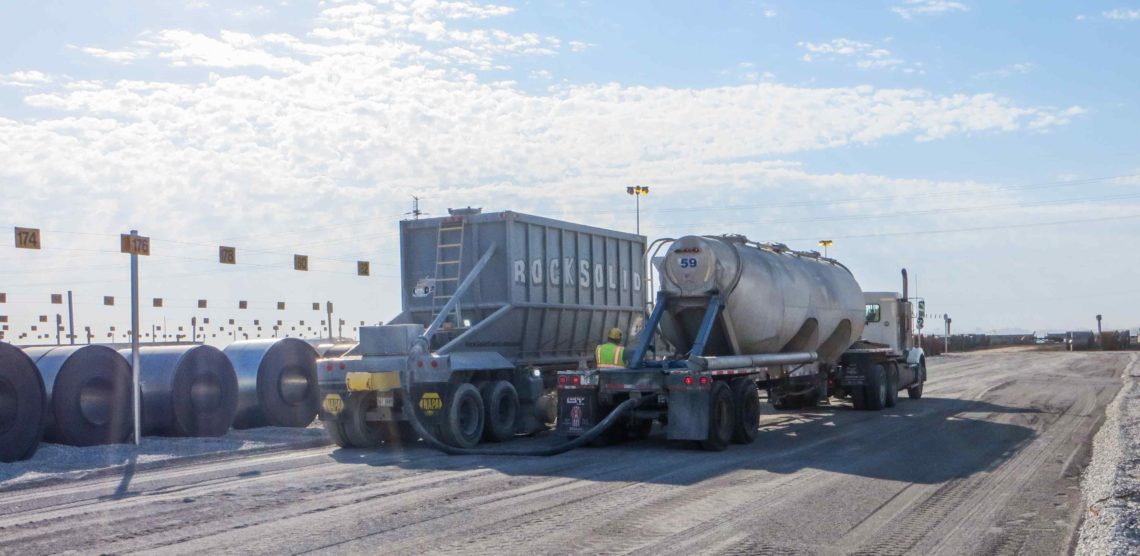
Yes, bulk trucking often has minimum load requirements, which can vary by provider and type of freight. Typically, these minimums guarantee cost-efficiency, enabling carriers to optimize routes and maximize their capacity for transporting goods.
What Safety Measures Are in Place for Bulk Freight?
Safety measures for bulk freight include secure loading practices, regular vehicle inspections, adherence to weight limits, driver training programs, and compliance with regulations. These protocols guarantee cargo safety and minimize risks during transportation.
Can Bulk Trucking Handle Perishable Goods Effectively?
Yes, bulk trucking can handle perishable goods effectively through temperature-controlled vehicles, specialized packaging, and timely delivery schedules, ensuring that products remain fresh and safe during transportation while minimizing spoilage and maximizing efficiency.