Managing Cross-Border Freight Warehouse Flow
Examining the Benefits of Opting for Bulk Freight Transport for Your Shipping Needs
Bulk trucking is a key strategy for companies looking to make their logistics more efficient. When combining loads, organizations can obtain significant cost savings and lower their impact on the environment. Furthermore, this approach provides greater dependability and flexibility in shipping arrangements - Illinois top rated Bulk Trucking. Since the environment of logistics management changes, knowing the details of bulk freight transport is vital for securing market superiority. What further benefits might this approach reveal for today's organizations?
Cost Savings Through Economies of Scale
While numerous companies are dealing with increasing shipping expenses, bulk freight provides substantial financial benefits through the principle of scale efficiency. Through the grouping of deliveries, companies can reduce the per-unit cost of transportation, as more substantial loads permit more efficient use of resources such as staff and energy. This optimization leads to lower overall expenses, which makes bulk transport a favorable solution for companies seeking to streamline their supply chain.
Additionally, this method decreases the frequency of trips required, which helps lower expenses even more associated with vehicle maintenance and driver wages. Companies can negotiate better rates with haulers when promising greater quantities, helping them realize decreased transport costs. Therefore, companies are able to direct their financial gains towards different parts of the business, boosting their competitiveness. Ultimately, the financial benefits of bulk transport establish it as a key strategy for companies seeking to increase profitability while keeping logistics running smoothly.
Decreased Impact on the Environment
This method plays a major role in a lower ecological footprint, positioning it as a green option for transportation. By consolidating shipments, this approach lowers the amount of journeys needed to ship items, which thereby reduces gasoline usage and harmful emissions. This efficient method of shipping bulk items means less trucks are needed for transport, easing road blockage and wear on infrastructure.
Moreover, numerous bulk transport providers are implementing greener methods, such as using trucks that save gas and streamlining delivery routes to lower their emissions substantially. Employing modern technology in transport management also aids in monitoring emissions and boosting operational performance. Given that corporations are emphasizing sustainability more, using bulk shipping helps environmental initiatives but also aligns with corporate social responsibility goals. In this way, bulk hauling offers a viable option for firms aiming to minimize their environmental damage and still satisfying their delivery demands.
Enhanced Delivery Speed and Dependability
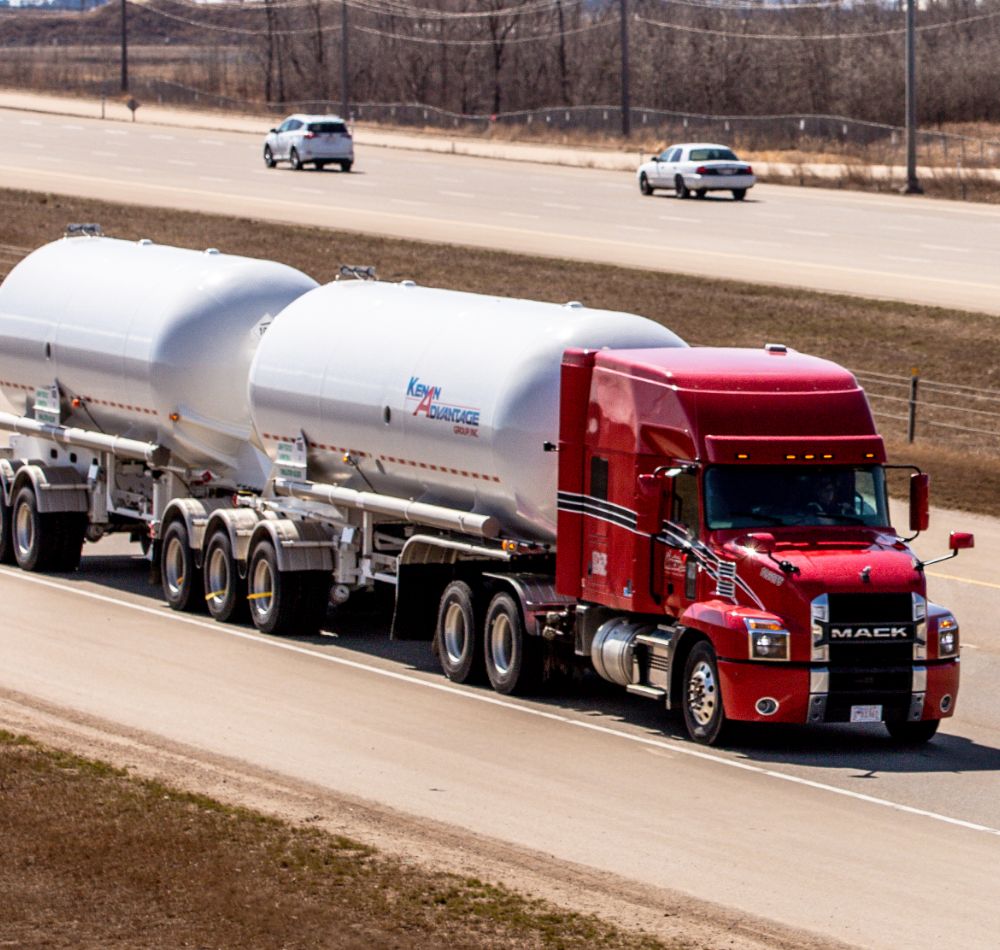
If firms select bulk hauling for their shipping requirements, they frequently see faster delivery speeds and greater trustworthiness. This mode of transportation is designed to efficiently handle large quantities of goods, minimizing the required trips. By consolidating shipments, companies can minimize delays associated with loading and unloading, resulting in quicker delivery speeds.
Furthermore, bulk trucking typically involves fewer stops, which makes the delivery process more efficient. A lot of bulk transport firms use modern logistics and tracking systems, giving instant information that enhance transparency and accountability. This level of visibility helps businesses plan more effectively, confirming timely product arrival.
In addition, bulk transport's dependability is strengthened by seasoned operators and well-maintained vehicles, minimizing the chance of mechanical failures or holdups. In turn, companies can depend on bulk trucking services to meet their shipping deadlines consistently, ultimately improving customer satisfaction and solidifying business connections.
Enhanced Load Capacity and Flexibility
Although many shipping methods restrict cargo volume, bulk trucking offers enhanced load capacity allowing firms to ship significant volumes of materials in a single journey. This feature is especially advantageous for sectors needing to move high quantities of materials, such as agriculture, construction, and mining. Employing vehicles tailored for bulk cargo, firms can improve their delivery methods, reducing the number of trips needed to deliver goods.
Additionally, bulk hauling allows adaptability in cargo setup, handling different kinds of materials, such as powders, grains, and liquids. This versatility allows companies to adapt to changing demands and efficiently manage their supply chain without sacrificing volume. By utilizing the greater volume and adaptability of bulk transport, businesses can streamline their operations, minimize transportation costs and guarantee a more reliable delivery process. Finally, this option presents a practical solution for businesses looking to optimize transport effectiveness and fulfill customer requirements.
Streamlined Supply Chain Management
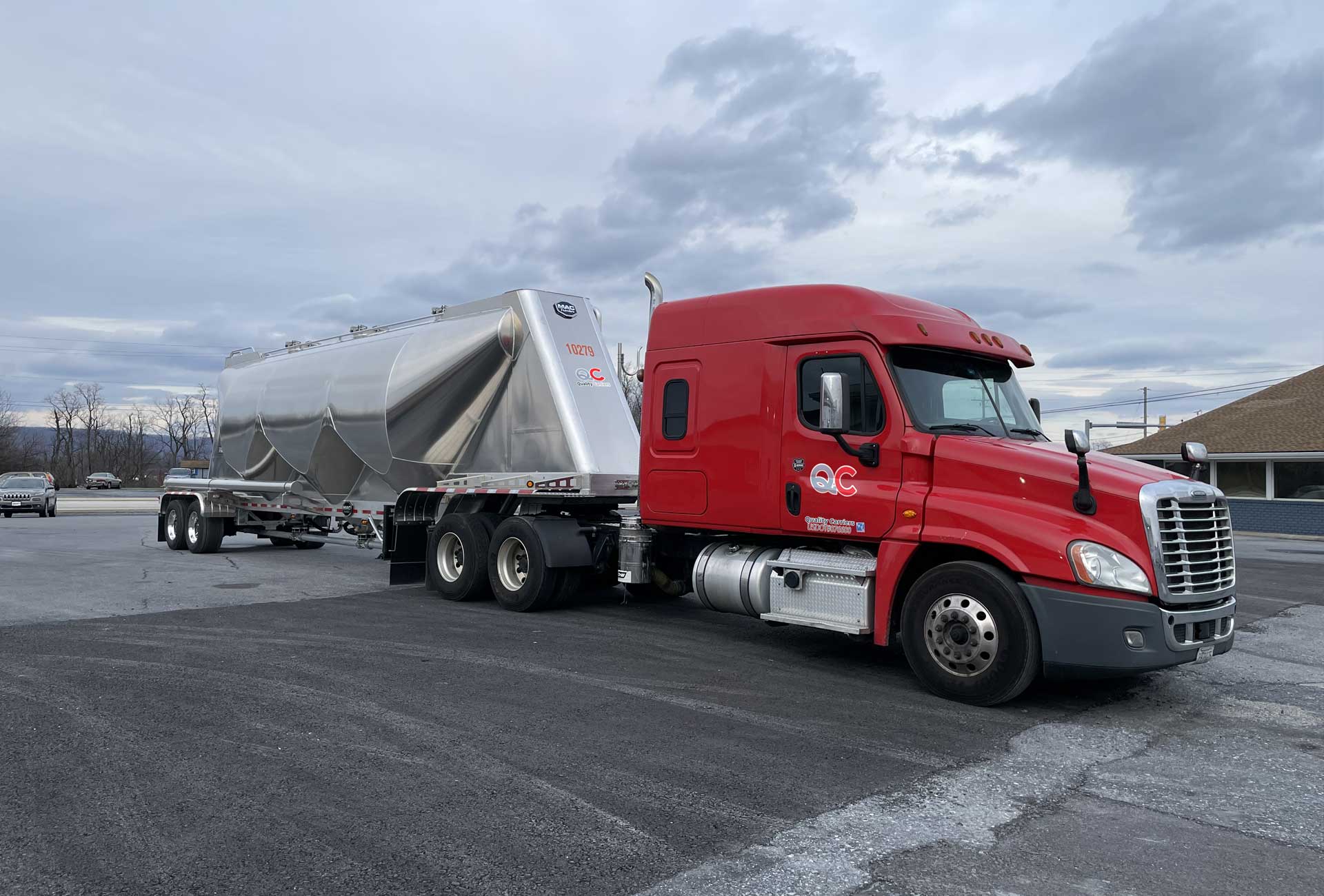
Better logistics coordination is easier to achieve with the addition of bulk trucking into transport processes. By combining loads, businesses can reduce transportation costs and quicken transit schedules. Mass hauling allows for the shipping of more products in fewer trips, minimizing the complexity involved in numerous deliveries. This streamlining makes possible superior warehouse organization, as companies can receive and distribute products with greater speed.
Additionally, bulk trucking improves coordination and coordination among supply chain partners. With a smaller number of haulers, tracking shipments becomes simpler, which provides greater clarity and quicker response times to emerging difficulties. The trustworthiness of bulk trucking also makes certain that goods arrive at their destinations in prime condition, minimizing the possibility of delays or damages. Taken together, incorporating mass transport into supply chain strategies creates a more unified and efficient logistics framework, aiding enterprises and their customers alike.
Common Queries
What Types of Goods Are Best Suited for Large-Scale Hauling?
Bulk trucking is ideal for transporting large quantities of goods such as agricultural products, raw materials, chemicals, and groceries. These goods profit from streamlined, affordable transport options, cutting down on manual processing and decreasing transit expenses.
How Do I Find a Reliable Bulk Trucking Provider?
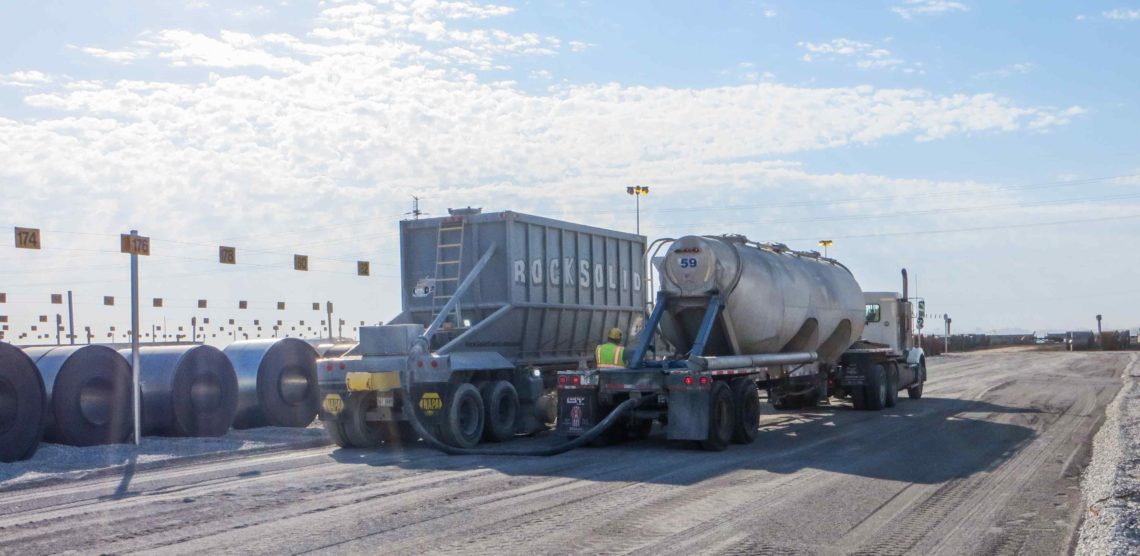
To find a dependable mass transporter, one should check digital feedback, ask colleagues for referrals, check necessary permits, and get multiple bids - Illinois top rated Bulk Trucking. Furthermore, checking the hauler's background and truck capacity is essential for making a sound choice
How Long Does It Usually Take for Large Cargo Loads?
The typical delivery period for bulk shipments typically ranges from 24 to 72 hours, varying by the route length, road quality, and the kind of goods. Fluctuations in these conditions can significantly alter transit times.
Are There Weight Restrictions for Mass Transport Shipments?
Indeed, bulk trucking loads are usually subject to weight limits, which change regionally and vehicle type. Illinois top rated Bulk Trucking. Regulations guarantee safety and compliance, usually capping loads to approximately 40 tons for conventional transport on interstates
Can Bulk Trucking Manage Perishable Goods?
Certainly, bulk trucking can manage goods requiring climate control by employing specialized equipment, such as refrigerated trailers. This capability makes certain read the full story that perishable goods keep their required temperatures while in transport, safeguarding freshness and integrity.